Industry Report: Q2 Textile Sector Index Rebounds As H1 Export Orders Recover
Jul 29, 2026
Monitoring data from the China National Textile and Apparel Council indicates a steady economic recovery across the domestic textile sector. The industry prosperity index reached 53.7 in the second quarter of 2026, remaining consistently above the 50-point expansion threshold and signaling stabilized production and operational momentum.
During the first half of the year, textile and apparel export volumes demonstrated strong structural resilience. Foreign trade order volumes in June reflected both month-over-month and year-over-year growth, driven by a phased recovery in overseas consumer demand and international supply chain restocking.
1. Inventory Normalization and Emerging Market Diversification
- European and North American retail chains and apparel brands have largely completed extended inventory decumulation cycles. With stock levels returning to balanced operating thresholds, procurement for autumn and winter merchandise-particularly cotton home textiles and knitwear collections-has officially commenced.
- Domestic textile enterprises are increasingly diversifying export destinations across Southeast Asia, Central Asia, and the Middle East. This strategic shift optimizes export trade structures and reduces structural dependency on single consumer markets.
- To meet specialized weaving requirements, textile manufacturers increased Australian cotton imports during H1 2026. This high-grade cotton fiber is utilized primarily in weaving mid-tier and high-density apparel fabrics.
2. Upstream Capacity vs. Downstream Order Fragmentation
- Capacity utilization rates among upstream chemical fiber and cotton spinning enterprises recovered steadily in Q2. Following sustained destocking, factory inventories of polyester filament yarn dropped to annual lows, driving modest upward adjustments in raw material pricing.
- Small-to-medium weaving enterprises continue to navigate fragmented, short-lead-time, small-batch orders. Large-scale, long-term foreign purchase contracts remain limited, leading to minor inventory accumulation of finished woven goods among smaller manufacturing units.
Sector Performance Metrics: Q2 2026
| 53.7 (Q2 2026) | Consistently above 50-point expansion threshold | |
| Small-batch, short-lead-time orders with minor stock accumulation |
3. Q3 Sector Outlook: Functional Upgrades and Supply Chain Resilience
Industry analysts project that the market will enter a peak delivery window for overseas autumn and winter orders in the third quarter, releasing further downstream demand. To navigate raw material cost fluctuations and international trade uncertainties, textile manufacturers are prioritizing digital manufacturing upgrades and advanced functional fiber development.
and safeguard export competitiveness during this recovery phase, international supply chains are integrating high-value technical raw materials:
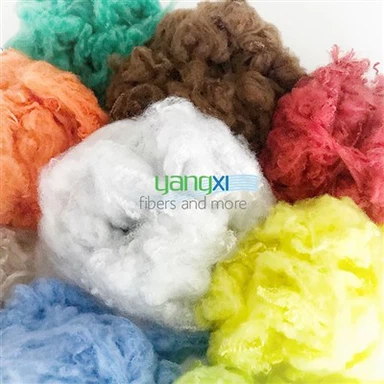
- To meet strict European and North American environmental regulations, weaving mills are incorporating GRS-certified into spinning matrices. This fiber maintains high batch-to-batch uniformity, excellent tensile strength, and reduced carbon impact-helping exporters secure international purchase contracts while maintaining cost efficiency.
- To differentiate apparel lines, mills are developing functional textiles by blending specialized inputs-such as permanent fibers or thermal-bonding filaments-and incorporating targeted . These functional enhancements help manufacturers move beyond commodity weaving, withstand raw material price volatility, and build long-term .
The Q2 industry rebound underscores the importance of maintaining flexible, multi-regional sourcing strategies. As international buyers prepare for Q3 peak order deliveries, partnering with integrated raw material suppliers ensures access to stable, high-performance fibers that comply with global trade regulations.
Leveraging our established cross-border supply chain networks across China, Thailand, and Vietnam, we support international textile manufacturers in sourcing premium functional fiber inputs, optimizing tariff structures, and maintaining consistent material quality across global markets.